The Silence of Kyoto's Old Wooden Quarters
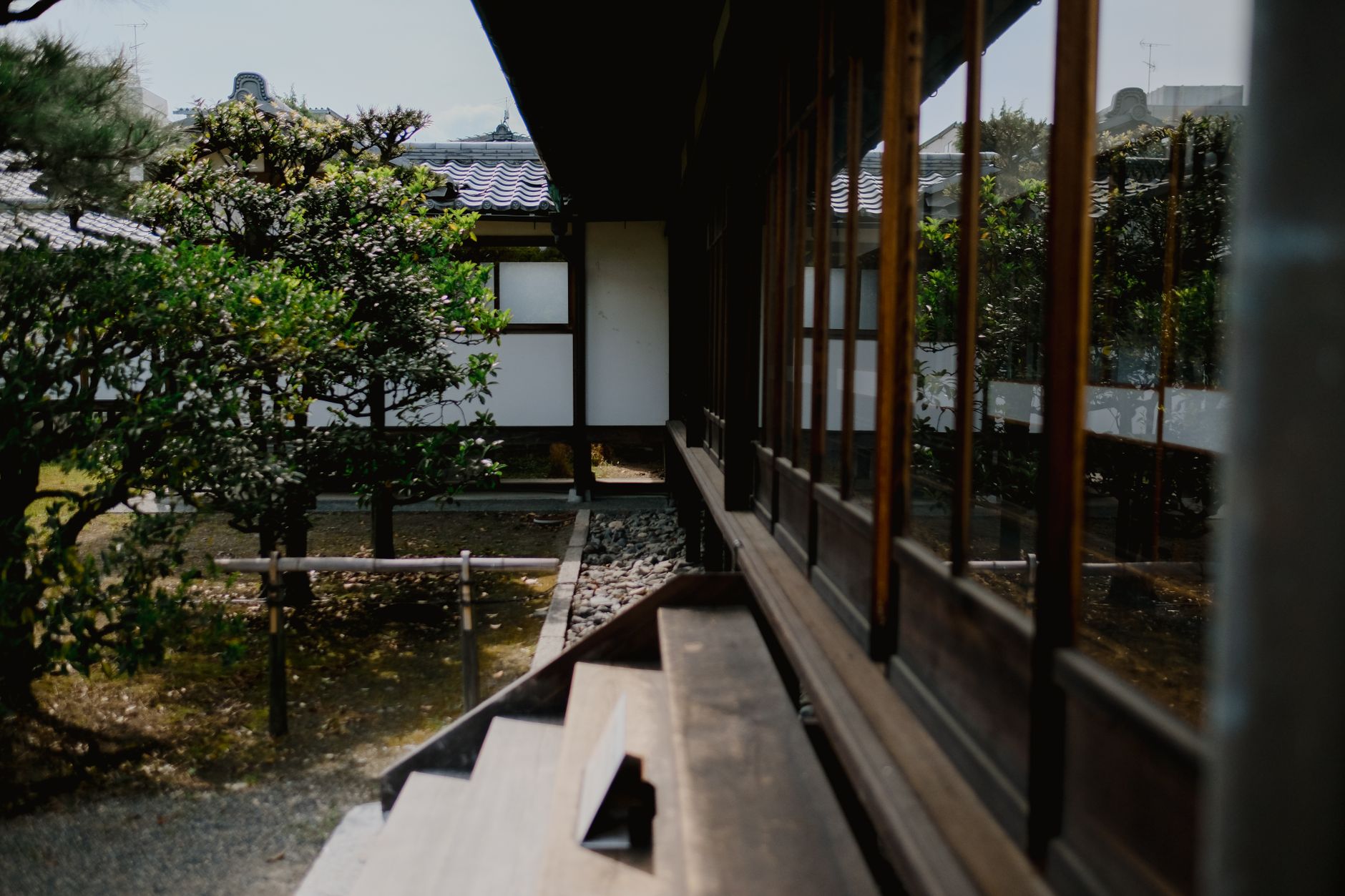
To arrive at Daitoku-ji before the gates officially separate secular bustle from sacred quietude is to experience wood not as inert structural material, but as an acoustic breathing entity.
For centuries, the carpenters of the Kansai basin have selected hinoki cypress and sugi cedar with deliberate regard for grain tension and humidity cycles. In the older machiya residences flanking the Kamogawa River, floorboards are placed to sigh underfoot with intentional melody—the so-called nightingale floors designed to announce presence without aggression.
The Geometry of Shadows
Junichiro Tanizaki once famously observed that Japanese domestic beauty flourishes in the gradations of shadow rather than the clarity of brilliance. In the tea chambers we visited in north-eastern Kyoto, light is rarely welcomed directly. It enters filtered through layers of washi parchment, diffusing across tatami mats that hold the faint aroma of dried summer reed.
Here, spatial abundance is defined not by cubic volume, but by subtraction. There are no ornamental shelves cluttered with trivial souvenirs; a single unglazed ceramic vase holds a lone branch of autumn persimmon, celebrating the elegance of seasonal transition.
Preserving Vernacular Craft
Today, as concrete urban centers expand rapidly across Asia, an independent generation of young Japanese master joiners is returning to the mountain valleys around Kyoto. Working entirely without steel fasteners, their interlocking timber assemblies withstand seismic tremor through flexibility rather than rigid confrontation.
Travelers who slow their itineraries to spend three or four mornings wandering these preservation districts discover a cadence absent from standard guidebooks: the slow rasp of hand planes at dawn, the kettle steam rising in damp air, and the reminder that grace requires patience.
Seek This Territory Yourself
Receive our private dossier regarding Kansai ryokan access and artisan studios.